
Materials Arrive When Projects Need Them
Material Delivery in Apex for construction and landscaping projects requiring aggregates, soil, and gravel on schedule
Project delays compound when materials arrive late or in incorrect quantities, forcing crews to wait idle or adjust work sequences in ways that reduce efficiency and quality. Pinesouth Earthworks delivers aggregates, soil, gravel, and other bulk materials to residential and commercial sites in Apex, coordinating timing with project schedules so that base layers, backfill, or top dressing materials arrive as work reaches the phases requiring them. Reliable delivery eliminates the gaps between completing excavation and beginning fill work, or between grading and final surface preparation.
Delivery service includes scheduling that accounts for weather conditions affecting site access, staging areas where materials can be unloaded without blocking ongoing work, and load sizes matched to what equipment on-site can efficiently move and place. Materials range from crushed stone for drainage layers and road base to topsoil for planting beds and various gravel sizes for decorative coverage or erosion control. Proper material selection depends on the application—structural fill requires compactable aggregates, while landscape coverage uses rounded stone that resists migration and supports foot traffic.
Contact us to schedule material delivery aligned with your project phases and site access requirements.
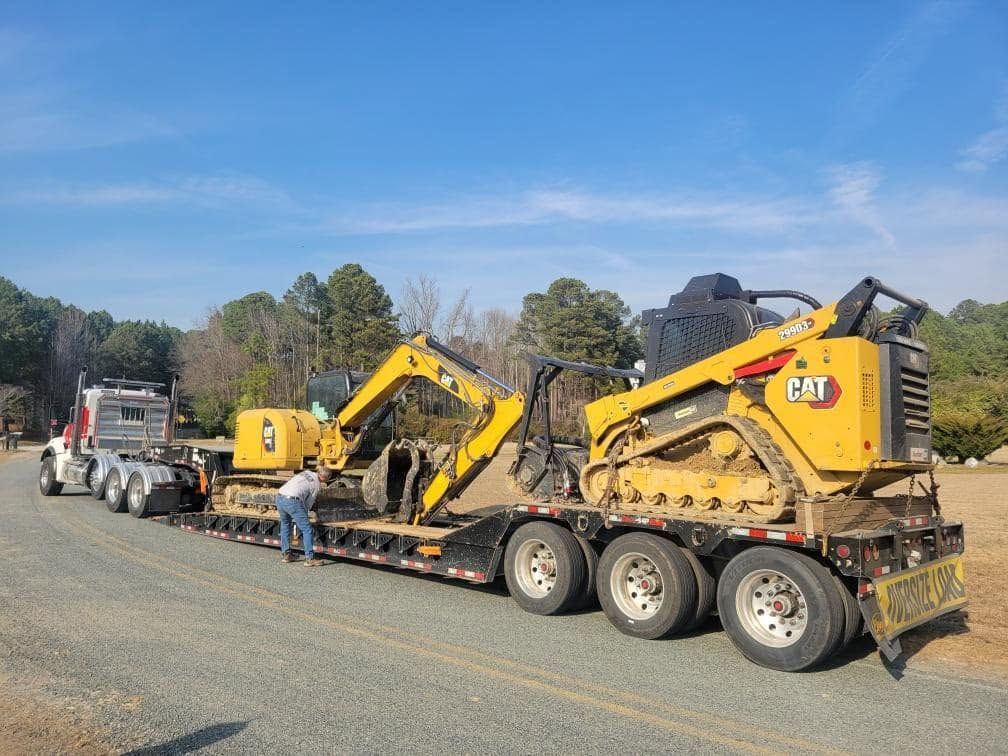
Why Delivery Timing and Material Quality Matter
Material delivery involves more than simply dumping loads on a property—it requires understanding what the material will support, how moisture content affects compaction, and where placement allows efficient distribution without creating access problems for other work. Gravel delivered too early may be displaced by equipment traveling across it to reach excavation areas, while soil delivered during wet periods becomes saturated and difficult to spread evenly. Coordinating delivery with the construction schedule prevents material degradation and double-handling that increases labor costs.
When materials are delivered according to project needs, work progresses without interruption, equipment operates efficiently by moving material short distances rather than repositioning large piles, and final grades are achieved without excess material remaining on-site or shortages requiring emergency reorders. Material placed directly into work areas reduces fuel consumption and equipment wear compared to staging everything at the property entrance and redistributing later. You also avoid material waste from contamination, weather damage, or theft that occurs when supplies sit unused for extended periods.
Delivery arrangements account for site-specific conditions such as weight limits on driveways, overhead clearance under tree branches or power lines, and ground stability that determines whether loaded trucks can access placement areas without rutting turf or compacting soil excessively. Some projects require multiple smaller loads delivered as work progresses rather than single large deliveries that exceed available staging space. Communication between delivery service and site crews ensures that materials match specifications and quantities align with actual usage rates observed during initial work phases.
What Property Owners Usually Ask
Material delivery logistics intersect with project planning, site access, and coordination among multiple contractors working on phased construction or landscaping.
What types of materials are available for delivery?
Options include various gravel sizes from fine pea gravel to larger drainage stone, crushed aggregate base for structural support, fill dirt and screened topsoil, sand for leveling or mixing, and specialty materials like decomposed granite or river rock depending on project requirements.
How is the correct material quantity determined?
Volume calculations account for area coverage, desired depth, and material compaction rates. Structural base layers require thicker application than decorative coverage, and soil quantities must factor in settling that occurs after initial placement and watering.
What access do delivery trucks need at Apex residential properties?
Standard dump trucks require turnaround space or backing clearance, adequate width for side mirrors to clear obstacles, and firm ground that supports axle weight without rutting. Narrow driveways or soft conditions may necessitate smaller vehicles or alternative unloading locations near the street.
When should materials be delivered relative to site preparation?
Delivery timing depends on the material type and intended use—base materials arrive after rough grading establishes drainage patterns, topsoil is delivered once structures and hardscapes are complete, and decorative stone arrives after planting beds are prepared to final elevations.
How does weather affect material delivery and usability?
Rain saturates soil and fine aggregates, making them difficult to spread and impossible to compact properly until they dry. Frozen ground prevents unloading in some areas, and excessive heat can dry out topsoil before it is placed. Scheduling considers forecasts to avoid conditions that degrade material quality or site accessibility.
Pinesouth Earthworks coordinates material delivery with your construction or landscaping timeline, ensuring that aggregates, soil, and gravel arrive when work is ready to proceed. Arrange delivery service to match your project schedule and site conditions.