
Preparing Overgrown Properties for Productive Use
Land Clearing in Apex for properties with dense vegetation, overgrowth, or development-blocking brush
Properties covered in thick brush, volunteer trees, and tangled undergrowth become inaccessible for construction, farming, or recreation until vegetation is systematically removed. Pinesouth Earthworks provides land clearing in Apex where trees, stumps, and overgrowth prevent property use or future development. The service addresses situations where visibility is blocked, equipment can't access work areas, or land sits unusable due to unchecked vegetation growth over multiple seasons.
Clearing involves cutting standing trees, grinding stumps below grade, removing brush and root systems, and hauling or mulching debris depending on property goals. The process creates open, level ground suitable for building, planting, or recreational use. Equipment selection depends on vegetation density, tree diameter, and whether the site requires preservation of specific trees or landscape features.
Arrange a property assessment to review clearing requirements and debris handling options.
How Land Clearing Addresses Overgrowth and Access Problems
Clearing begins by identifying which vegetation must be removed versus what stays for erosion control, shade, or aesthetic purposes. Large trees are felled directionally to avoid damaging structures or desirable plantings, while stumps are ground to depths that prevent regrowth and allow grading equipment to pass without obstruction. Brush and smaller growth get mulched on-site or hauled away based on debris volume and whether organic material will be incorporated into soil or removed entirely.
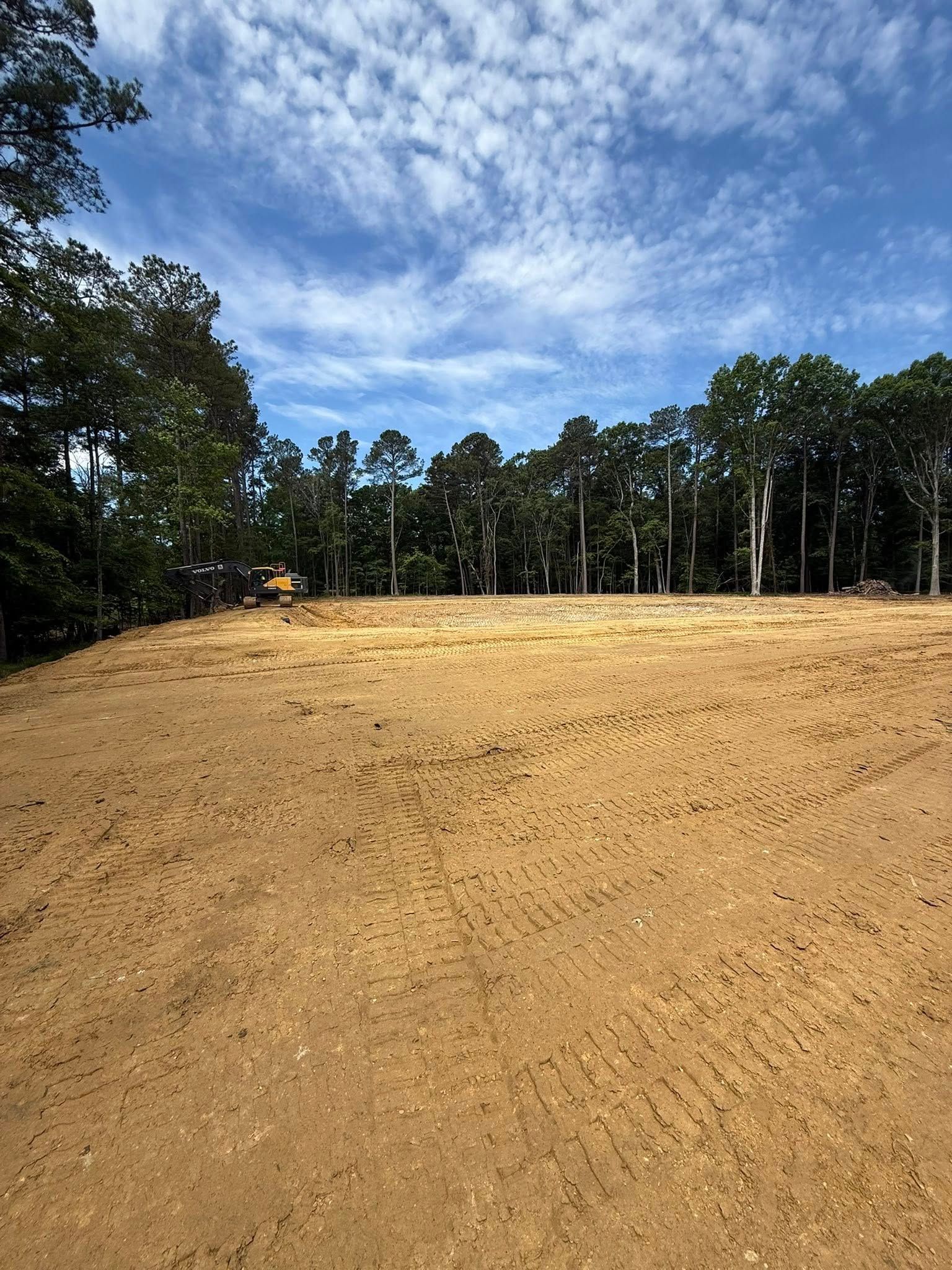
After clearing completes, you'll notice unobstructed sightlines across the property, accessible pathways for vehicles and equipment, and defined boundaries where usable land begins. The ground surface is free of root masses that interfere with grading or planting, and areas previously hidden by undergrowth become visible and functional. Properties transition from overgrown, unusable parcels to cleared land ready for construction layout, agricultural use, or landscape installation.
Clearing also considers stump removal depth, as agricultural properties often require deeper grinding than residential lots to prevent interference with tilling equipment. Some projects involve selective clearing where mature trees remain as windbreaks or visual buffers while understory growth gets removed. Debris handling varies by project, with mulch sometimes spread as ground cover and larger wood removed for off-site disposal or milling.
Answers to Frequent Service Questions
Land clearing decisions depend on property goals, vegetation density, and how the land will be used after debris is removed.
What size trees can be cleared without requiring specialized equipment?
Standard forestry mulchers handle trees up to twelve inches in diameter efficiently, while larger hardwoods require felling and separate stump grinding to process safely.
How is debris managed after clearing is complete?
Brush and small limbs are typically mulched on-site and spread as erosion control, while logs and stumps are either hauled away or stacked for property owner use depending on preferences and local disposal options.
When is the best time to clear land in the Apex area?
Late fall through early spring allows easier equipment access when ground is firm and vegetation is dormant, reducing regrowth and minimizing soil compaction from heavy machinery.
What preparation is needed before clearing begins?
Property boundaries are marked, utility locations are verified, and any trees or features to be preserved are flagged to prevent accidental removal during the clearing process.
How does clearing affect soil conditions for future planting or construction?
Removing root systems and organic debris leaves mineral soil exposed, which compacts differently than vegetated ground and may require amendments or grading before seeding or building commences.
Pinesouth Earthworks tailors clearing methods to match whether land will support structures, crops, or recreational use after vegetation is removed. Contact us for project estimates and site-specific clearing recommendations.