
Clearing Space for Work to Continue
Hauling & Debris Removal in Apex for construction sites and land clearing projects requiring fast cleanup
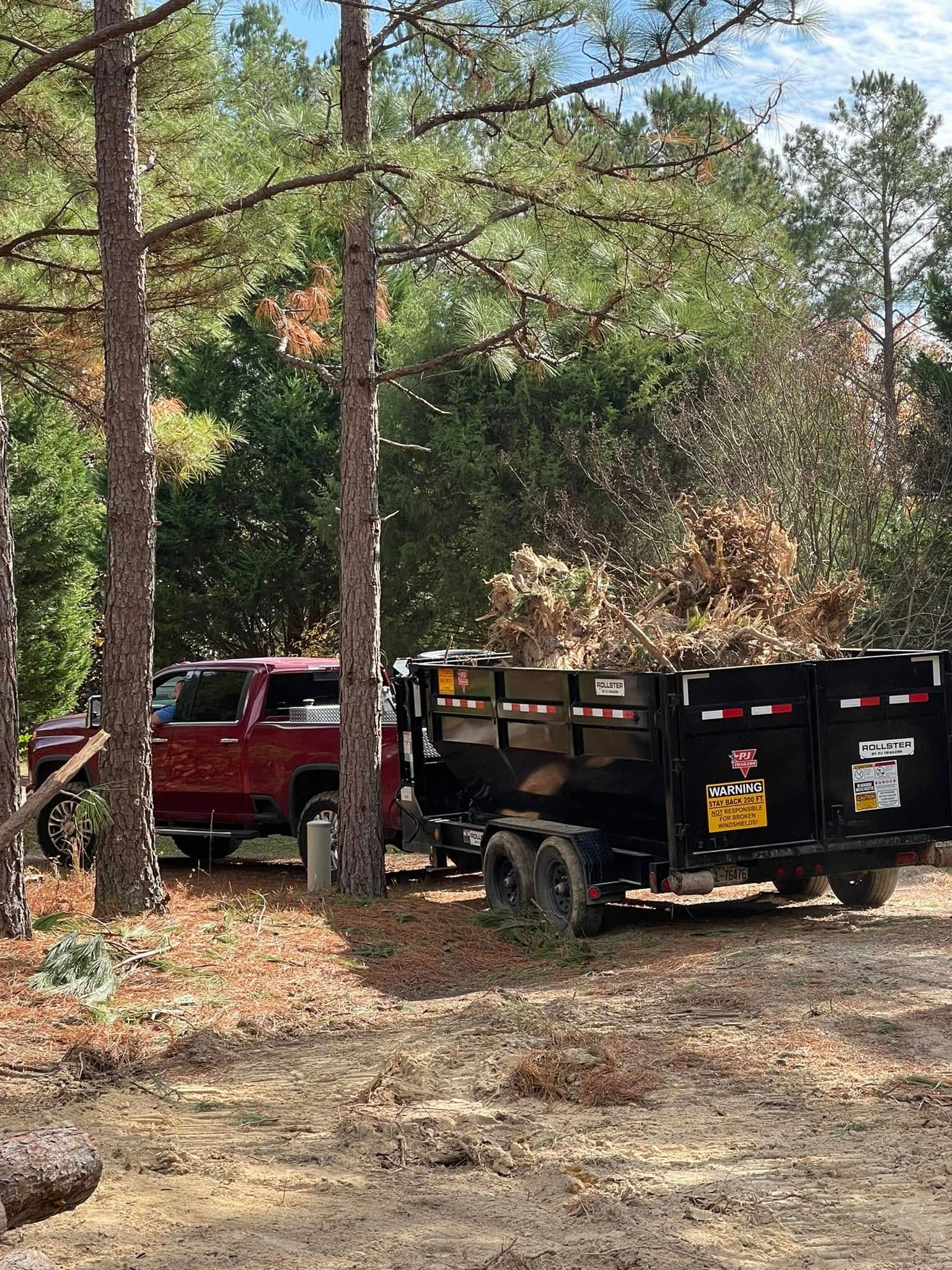
Construction debris, cleared vegetation, and demolition materials accumulate quickly during site development, and when these materials remain in place, they obstruct equipment access and create safety hazards that delay subsequent work phases. Pinesouth Earthworks removes unwanted materials from residential and commercial properties in Apex, hauling away brush piles, concrete rubble, soil spoils, and structural debris so that grading, foundation work, or landscaping can proceed without interruption. The work involves sorting materials for proper disposal, loading efficiently to minimize trips, and coordinating removal timing with the overall project schedule.
Hauling services support land clearing operations where trees and undergrowth are removed, demolition projects that generate mixed material loads, and renovation work that produces ongoing debris as rooms are gutted or exteriors stripped. Efficient debris removal prevents material buildup that would otherwise require workers to navigate around obstacles or compress waste to create temporary staging areas. Clean worksites also reduce the risk of punctured equipment tires, tripping hazards, and code violations during inspections.
Arrange debris removal service to maintain clear access and safe working conditions throughout your project timeline.
What Proper Site Cleanup Requires
Site cleanup goes beyond simply removing visible debris—it involves evaluating what can be recycled or repurposed, identifying materials that require special disposal procedures, and ensuring that remaining ground surfaces are safe for equipment travel and worker movement. Concrete and asphalt often go to crushing facilities for reuse as base material, while untreated wood may be chipped for mulch and metal components separated for scrap recycling. Contaminated materials or items containing hazardous substances follow different disposal protocols to comply with environmental regulations.
Once debris is hauled away, you regain full use of the property for staging materials, positioning equipment, and laying out work areas according to construction plans rather than working around debris piles. The ground no longer presents hidden puncture risks from buried nails or rebar, and drainage patterns function as intended without piles redirecting water flow. Inspectors and subcontractors can access all areas without delay, and final grading or landscaping work begins from a clean baseline.
Hauling projects vary in frequency—some sites require a single large removal after initial clearing, while others benefit from scheduled pickups that prevent debris accumulation during multi-phase construction. The approach depends on waste generation rates, available staging space, and whether material sorting occurs on-site or at the disposal facility. Properties with limited access may require smaller loads or specialized equipment to navigate narrow driveways or avoid damaging existing landscaping during removal.
Answers to Frequent Service Questions
Hauling and debris removal logistics depend on material type, project timing, and site access, particularly for properties undergoing renovation or land development with ongoing waste streams.
What types of materials can be hauled away?
Services include construction debris such as drywall and framing lumber, land clearing waste like tree stumps and brush, demolition rubble including concrete and asphalt, and general site cleanup materials such as soil piles or old fencing. Hazardous materials require separate handling and are not included in standard hauling.
How does site access affect debris removal in Apex residential areas?
Narrow driveways, overhead tree branches, and soft ground conditions common in established neighborhoods may limit truck size or require material to be staged near the street for loading. Evaluating access before debris accumulates prevents situations where removal becomes more difficult and costly.
When should debris removal be scheduled during a construction project?
Timing depends on work phases—initial clearing debris is removed before grading begins, demolition waste is hauled as spaces are gutted to maintain safe working conditions, and final cleanup occurs after construction is complete but before landscaping installation begins.
What preparation is needed before hauling service arrives?
Materials should be consolidated into accessible piles separated by type when possible, pathways cleared for equipment movement, and any items you want to keep moved away from debris staging areas to prevent accidental removal.
How is pricing determined for debris hauling?
Costs reflect the volume of material, the weight and type requiring disposal, the number of loads needed, and travel distance to appropriate disposal or recycling facilities. Mixed loads containing multiple material types may cost more due to sorting and disposal complexity.
Pinesouth Earthworks coordinates hauling schedules with your project timeline to keep sites accessible and safe as work progresses. Contact us to arrange cleanup service based on your debris volume and removal timing needs.